When diversity and divorce intersect: A new initiative to support families

Parenting is a rewarding journey, but it can also be challenging, particularly when raising a child with diverse developmental, cognitive, emotional or physical needs. Navigating educational and social support systems can be complex under the best of circumstances. When family conflict or divorce is added to the mix, those challenges often become more complex.
Families facing the dual realities of diversity and divorce frequently encounter unclear legal frameworks, inconsistent professional guidance and considerable emotional and financial strain. In these situations, a child’s needs can sometimes be overshadowed by competing demands and conflict. Ideally, both parents remain actively engaged, share responsibilities equally, and the child’s well-being remains the central focus. However, this is not always the case.
Traditional custody arrangements based on typical developmental expectations of the children involved may not adequately meet the needs of children with diverse profiles. As a result, the parent who assumes most of the caregiving responsibilities may feel isolated, overwhelmed and unsupported. Professionals involved in these cases may also lack specialized knowledge of the legal and practical realities facing such families. Ensuring that children’s voices are heard and that their needs remain a priority is essential.
Recognizing these challenges, a group of Montreal-based professionals recently established MAPSSdd, an acronym for Multiple Adversities, Problems, Support and Solutions; divorce and diversity. The organization was created to advocate for and support families of children with diverse needs, including adult children, who are affected by separation or divorce. Its mission is to ensure that these families’ voices, experiences and rights are recognized within legal, emotional and social systems.
The MAPSSdd team, which currently operates on a volunteer basis, embraces a broad understanding of diversity, ranging from cognitive, physical, emotional and developmental to varied ways of learning, processing information and engaging with the world.
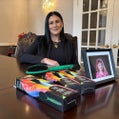
The initiative was spearheaded by Dr. Harriett Greenstone, a well-known Montreal psychologist, who brought together a group of like-minded professionals with different backgrounds and personal motivations for becoming involved.
Reflecting on the inspiration behind the project, Dr. Greenstone explains: “In many aspects of my life, I have seen one parent left fighting a battle with no one to help. Rather than being recognized for advocating tirelessly for their child and their child’s rights, they may instead face criticism or blame. I felt something needed to be done. Parents often find themselves fighting the disorder and then fighting the system. When feelings of defeat set in, they may turn on one another, and in that new conflict, the child can be forgotten as time, energy and resources are consumed by the divorce process and its aftermath. This sad reality captured my attention, and the need to make things different became very clear.”
Another founding member, Erica Onofrio, is deeply committed to supporting neuro-diverse individuals and their families through her work as an art therapist, birth and grief doula: “I am always looking for meaningful ways to support their journeys, amplify their voices and create spaces where they can be seen, valued and heard. I believe being part of MAPSSdd is one small step toward honouring and celebrating their voices.”
As conversations evolved, more professionals joined the initiative, personal family stories were collected, and MAPSSdd began to take shape. Although the organization is still in its early stages, it has already held a soft launch and is preparing for the official launch of its website and upcoming programming.
The team’s vision is to empower families through clarity, compassion and commu-nity, while ensuring that the child’s voice remains at the centre of every discussion. MAPSSdd plans to offer guidance, profes-sional training sessions and workshops led by experts from a variety of disciplines. It also aims to create a supportive community where families can connect, share experi-ences and learn from one another.
Info: mapssdd.weebly.com
Tania Piperni is an autism spectrum disorders consultant at the English Montreal School Board. She has a Master of Education in Educational Psychology from McGill University. She is also a board member of MAPSSdd.